The world's largest camera shows its first pictures
On 23 June the Rubin Observatory's “First Look” images were revealed.
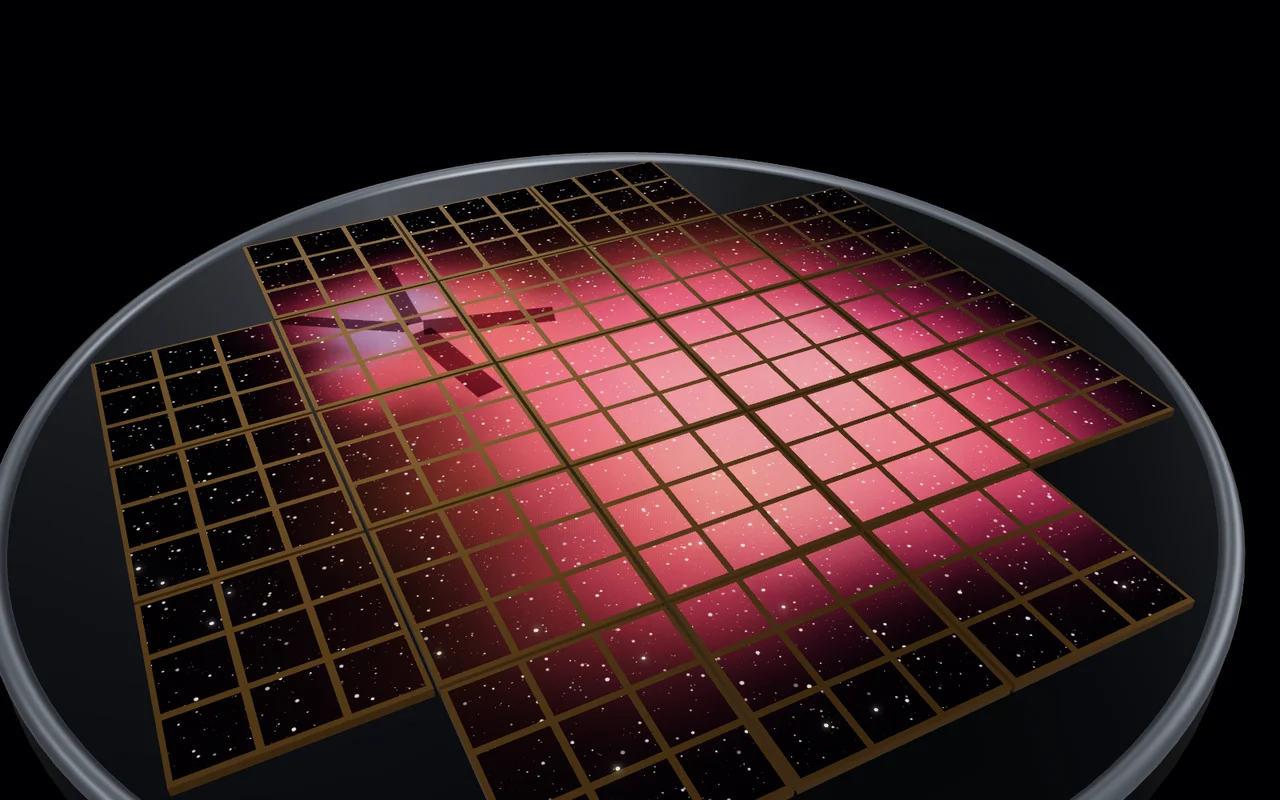
Image: Virtual Lab (3D illustration)
After more than 20 years of design and construction, the Vera C. Rubin Observatory in Chile revealed its first images. Its telescope carries the 3,200-megapixel LSST Camera, the largest digital camera ever built, and the official reveal was streamed live around the world.
One of the first pictures shows the Trifid and Lagoon nebulae in the Milky Way, vast clouds of gas and dust where new stars are born, several thousand light-years away. It combines 678 exposures taken over about seven hours, revealing faint details never seen before.
Another shows a sweeping view of the Virgo galaxy cluster. Built from more than 1,100 exposures, it contains about 10 million galaxies, just 0.05% of the 20 billion that Rubin is expected to capture over 10 years.
One of the most striking results was about asteroids. In only 10 hours of observing, the telescope found 2,104 new asteroids in the Solar System, seven of them near-Earth asteroids that pose no danger. For comparison, all other observatories together discover about 20,000 new asteroids a year.
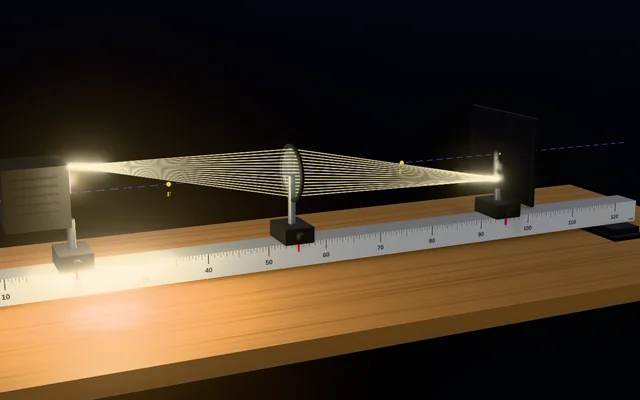 Try it in the labLenses and mirrors3D lab on this site →Share on Telegram
Sources: SLAC · Discover Magazine