Home › Nobel Prize laureates
Nobel Prize in Physics
Since 1901 the Royal Swedish Academy of Sciences has awarded the Nobel Prize for the most important discoveries in physics. Click a card to read about the scientist.
2026
2025
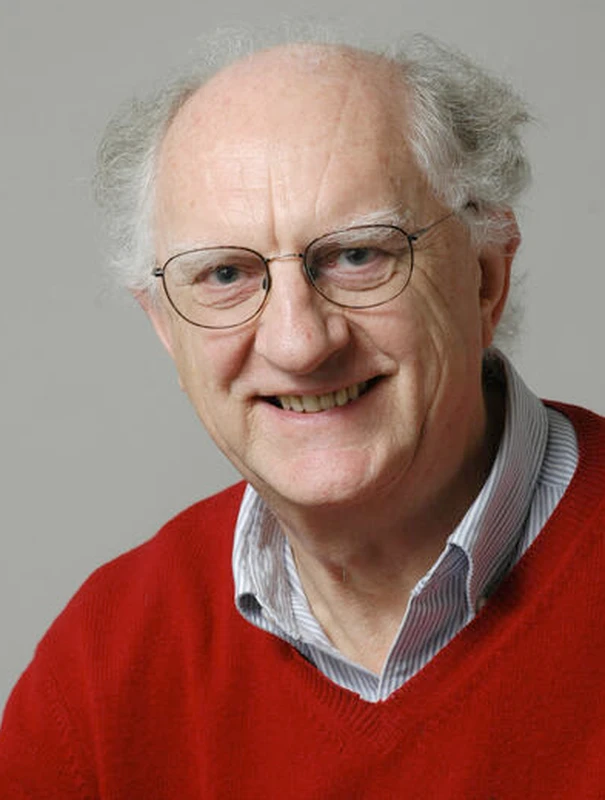
John Clarke
He led the experiment proving that a superconducting circuit obeys quantum laws just like an atom, and is one of the world's leading experts on ultra-sensitive SQUID magnetometers.
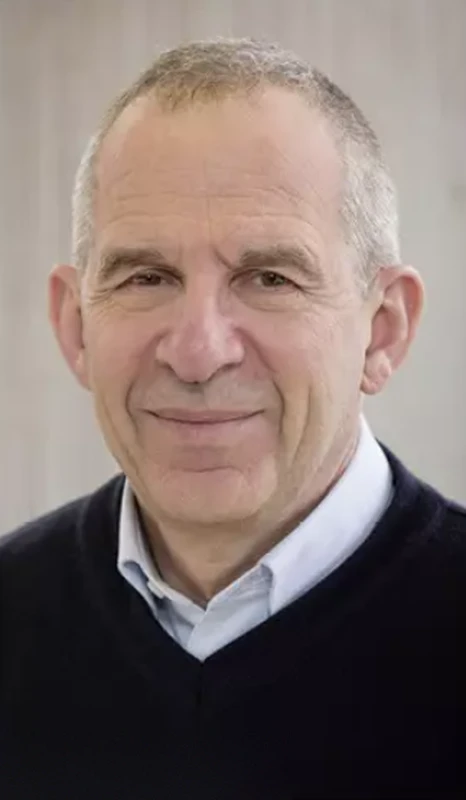
Michel H. Devoret
A member of the landmark Berkeley experiment and a leading scientist in superconducting “artificial atoms” and quantum electronics, whose work paved the way to qubits for quantum computers.
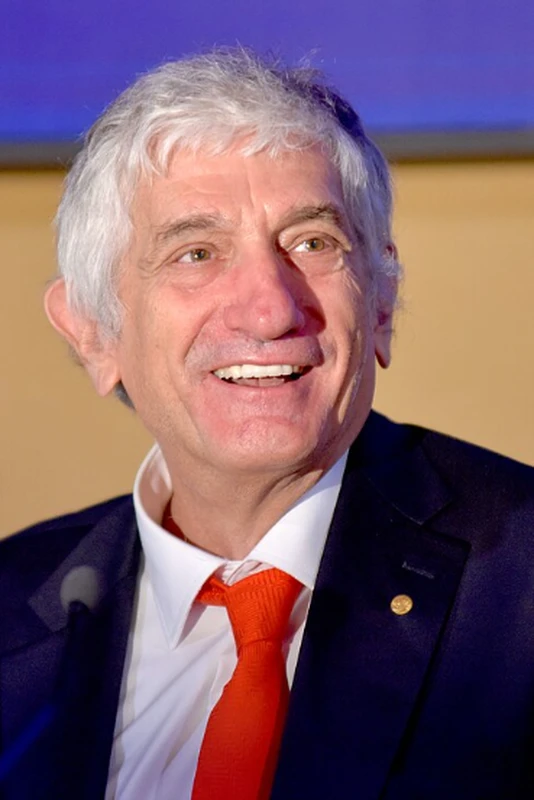
John M. Martinis
He did the prize-winning experiment as a graduate student and later led the effort to build a superconducting quantum computer at Google.
2024
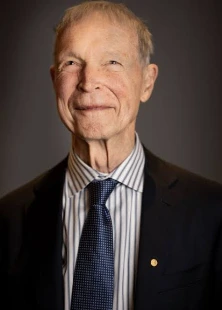
John J. Hopfield
Inspired by magnetic models from physics, he created an artificial neural network that works like memory and can restore a distorted or incomplete image.
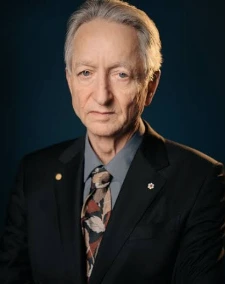
Geoffrey Hinton
One of the fathers of “deep learning”, whose Boltzmann machine and training methods became the basis of today's AI systems.
2023
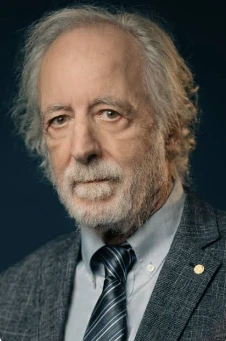
Pierre Agostini
One of the first to create and measure a train of ultra-short flashes of light — attosecond pulses — that let us “photograph” electrons moving inside atoms.
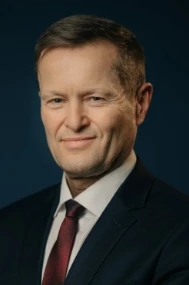
Ferenc Krausz
The first to isolate and measure a single attosecond pulse of light, he now works on applying the technique in medicine.
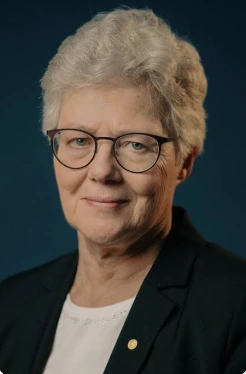
Anne L'Huillier
She discovered that a laser beam passing through a gas produces many high-frequency “overtones” — the effect on which attosecond flashes are built.
2022
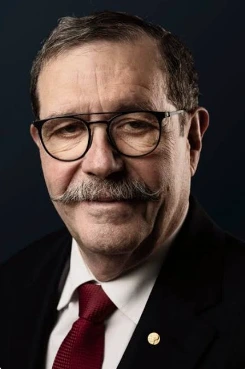
Alain Aspect
His experiments with entangled photons convincingly showed that quantum mechanics works without “hidden variables”, opening the way to quantum technologies.
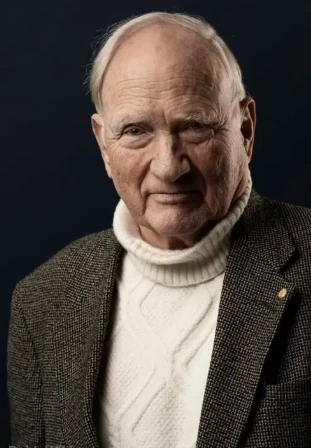
John F. Clauser
The first to test Bell's inequality experimentally, showing in 1972 that quantum mechanics is right and the “hidden variables” Einstein hoped for do not work.
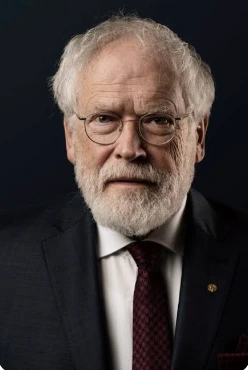
Anton Zeilinger
One of the first to achieve quantum teleportation, he led the way in turning entanglement into practical quantum communication and networks.
2021
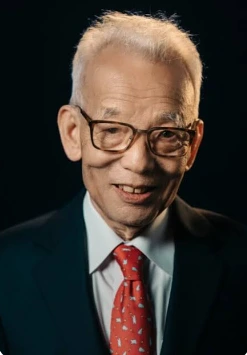
Syukuro Manabe
He built the first modern physical models of Earth's climate and calculated back in the 1960s that rising carbon dioxide warms the planet.
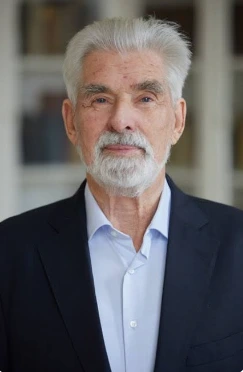
Klaus Hasselmann
He built a model linking weather and climate, and his “fingerprint” method proved that global warming is driven mainly by human activity.
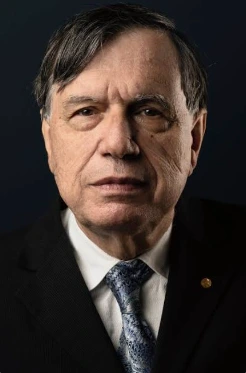
Giorgio Parisi
He discovered hidden order in disordered systems; his ideas apply to everything from magnets to bird flocks, neural networks and climate.
2020
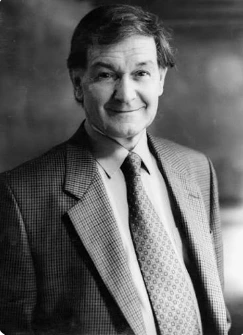
Roger Penrose
He proved mathematically that black holes follow inevitably from Einstein's theory, and is also the creator of the famous “Penrose tiling”.
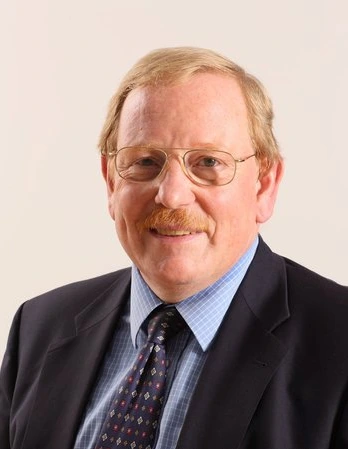
Reinhard Genzel
He led a team that tracked stars at the centre of our galaxy for decades and proved that an invisible object of 4 million solar masses — a supermassive black hole — sits there.
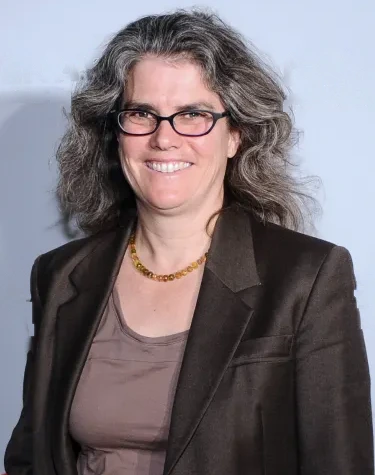
Andrea Ghez
Using the Keck telescopes in Hawaii she tracked stars at the galactic centre and independently proved a supermassive black hole sits there. She is the fourth woman to win the Nobel Prize in Physics.
2019
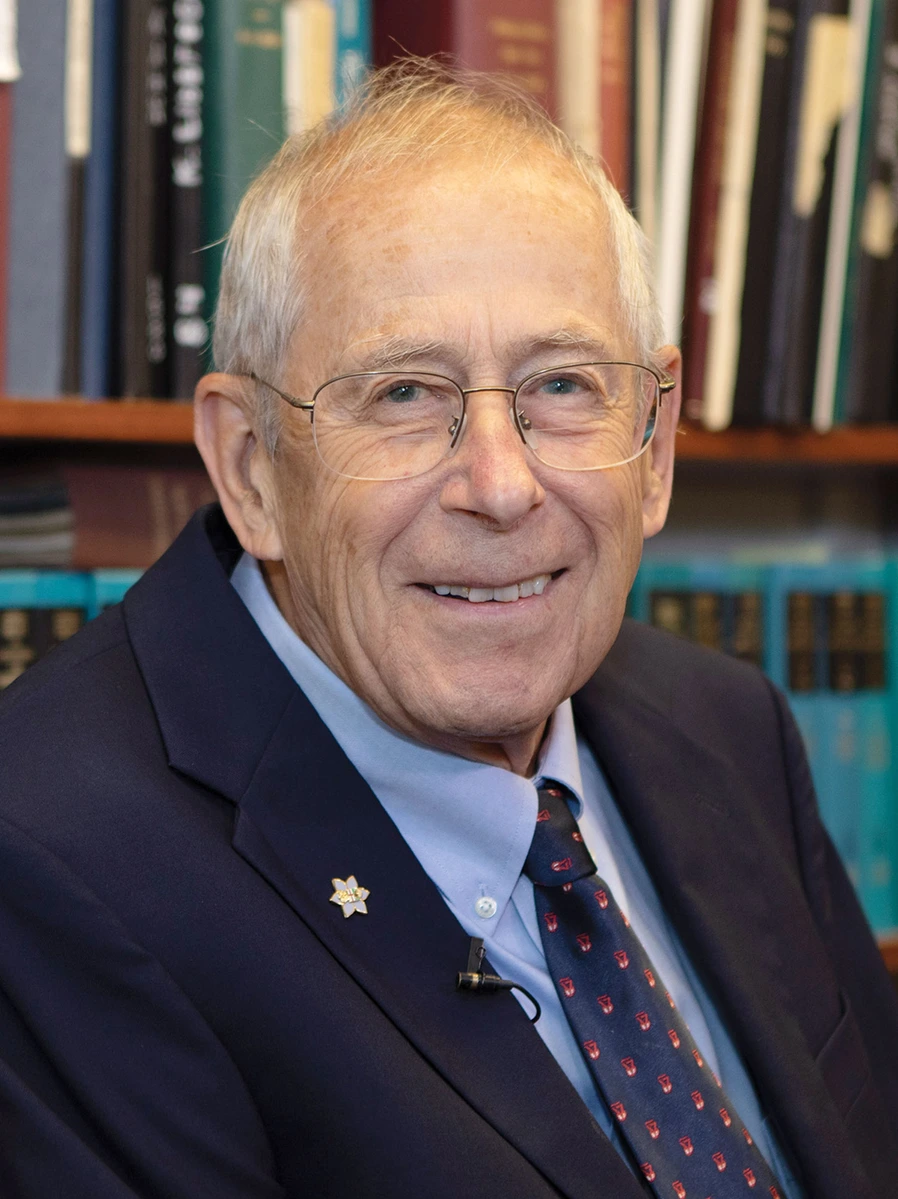
James Peebles
A founder of modern cosmology, he developed ways to read the universe's history in the radiation left over from the Big Bang and showed the role of dark matter and dark energy.
Michel Mayor
The astronomer who, with his student, found the first exoplanet around a Sun-like star, opening the way to thousands more worlds.
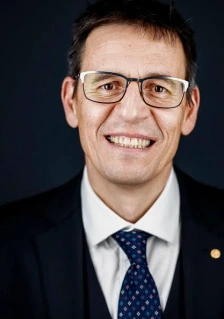
Didier Queloz
He found the first exoplanet while still a doctoral student, spotting a star's tiny “wobble” with his supervisor Michel Mayor.
2018
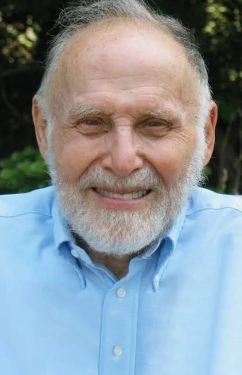
Arthur Ashkin
Inventor of “optical tweezers”, which use a laser beam to grab and move atoms, viruses and living cells without touching them.
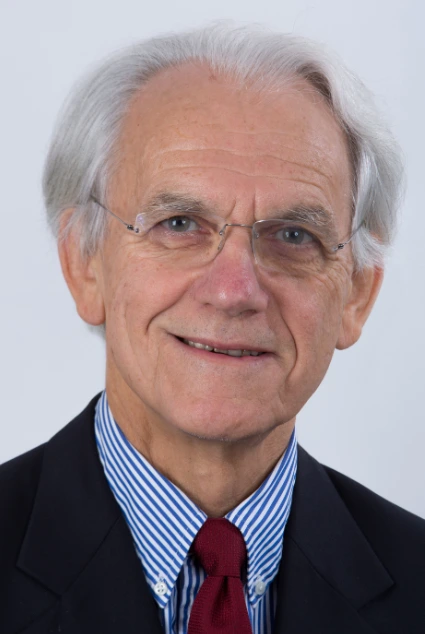
Gérard Mourou
With his student Donna Strickland he invented a way to make ultra-short, ultra-intense laser pulses, now used even in eye surgery.
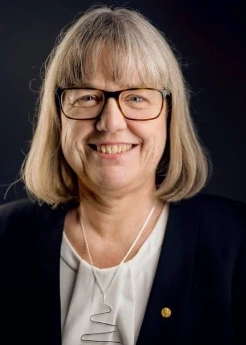
Donna Strickland
As a doctoral student she created, with her supervisor Gérard Mourou, a method for making ultra-intense laser pulses. She is the third woman to win the Nobel Prize in Physics.
2017
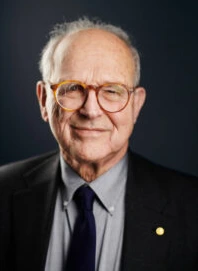
Rainer Weiss
He proposed the idea of a laser detector for gravitational waves and was a founder of the LIGO observatory; in 2015 his dream came true.
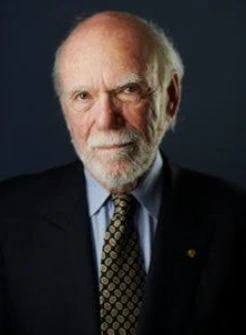
Barry C. Barish
The leader who turned LIGO from a small group into a huge international collaboration of more than a thousand scientists; under him the detector was built and switched on.
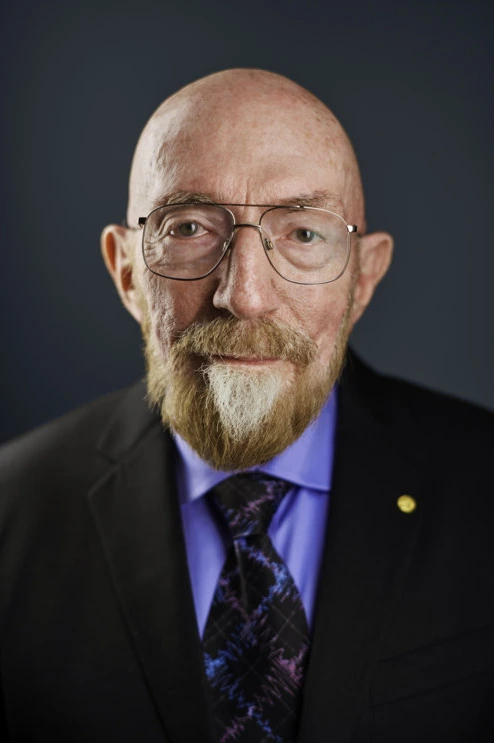
Kip S. Thorne
A leading theorist of gravitational waves and a LIGO founder, he worked out in advance what signal colliding black holes would send.
2016
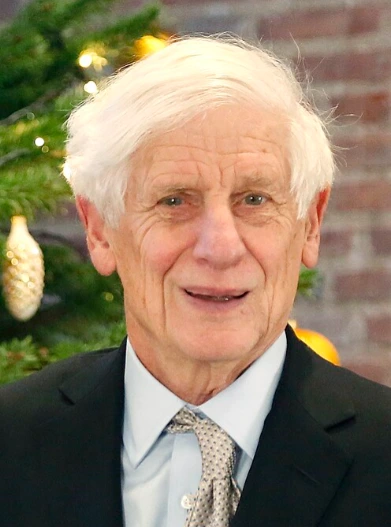
David J. Thouless
He applied topology, a branch of mathematics, to explain unusual states of matter, opening the way to a new class of topological materials.
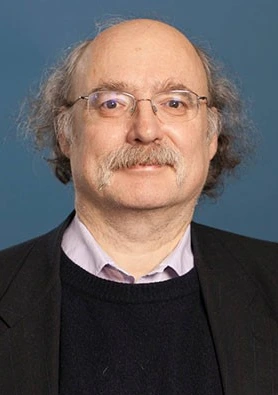
F. Duncan M. Haldane
He discovered topological states in chains of magnetic atoms and thin layers; his 1988 model became the basis of modern research on topological materials.
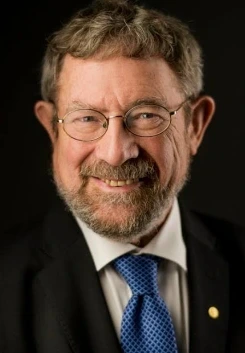
J. Michael Kosterlitz
With David Thouless he discovered that matter in thin layers changes state through pairs of whirlpools — the Kosterlitz–Thouless transition.