Water found on the sunlit surface of the Moon
The results were published on 26 October 2020 in Nature Astronomy; the study was led by Casey Honniball of the University of Hawaii.
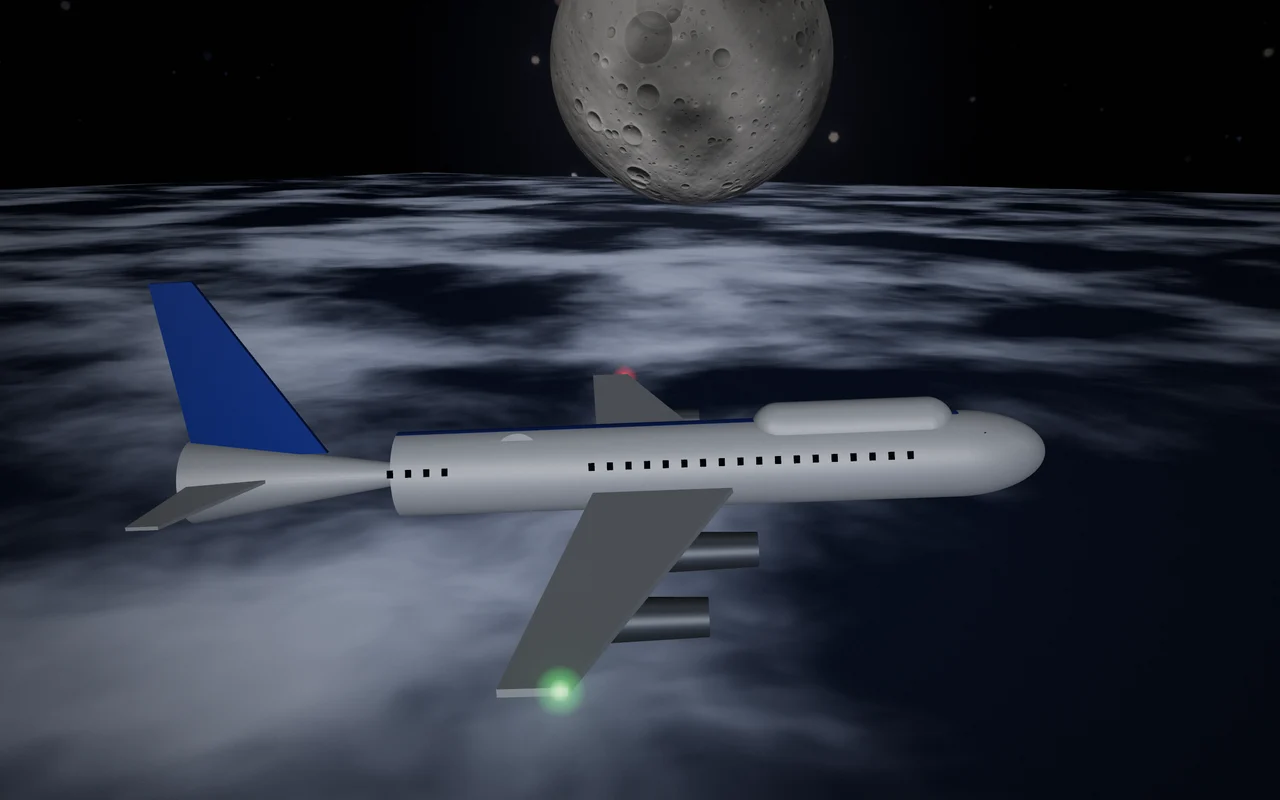
Image: Virtual Lab (3D illustration)
When the Apollo astronauts brought back lunar soil in 1969, the Moon was thought bone-dry. Ice was later found in permanently shadowed polar craters, and hints of hydrogen on sunlit ground — but it was unclear whether that was water or its chemical cousin hydroxyl.
Each molecule absorbs and emits light only at its own wavelengths. Water leaves a distinctive 'signature' in infrared light at 6 micrometres that hydroxyl lacks, but water vapour in Earth's atmosphere absorbs that light, so it cannot be seen from the ground.
SOFIA is a 2.7-metre telescope carried aboard a Boeing 747 that flies as high as 13 km, over nearly all the atmosphere's water vapour. With it, water molecules themselves were detected in Clavius, one of the largest craters visible from Earth in the Moon's southern hemisphere.
The water content is 100–412 parts per million — a hundredth of that in Saharan sand. Scientists think it is locked inside glass beads formed by micrometeorite impacts, or between soil grains, which keeps it from evaporating even in sunlight.
 Try it in the labAir humidity3D lab on this site →Share on Telegram
Sources: NASA / ScienceDaily · University of Hawaii