Confirmed planets beyond the solar system pass 5,000
The milestone was announced on 21 March 2022. The archive lists only planets published in peer-reviewed journals and confirmed by multiple methods.
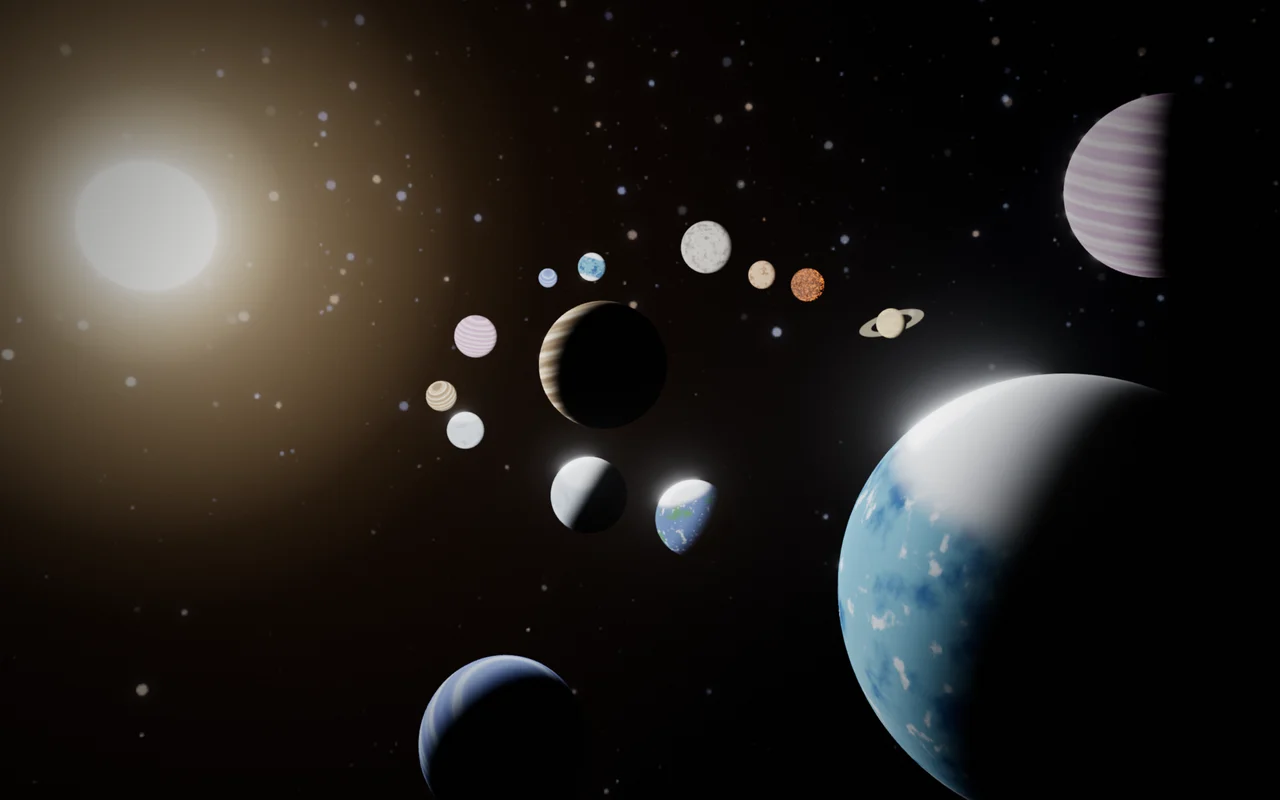
Image: Virtual Lab (3D illustration)
The first exoplanets were found around a pulsar in 1992. In 1995 Michel Mayor and Didier Queloz discovered the first planet around a Sun-like star, 51 Pegasi b, earning the 2019 Nobel Prize. Discoveries have accelerated ever since.
Most planets are found in two ways. One measures a star's speed using the Doppler effect: an orbiting planet makes its star wobble, shifting its light alternately towards blue and red. The other is the transit method: a planet crossing its star dims the starlight slightly.
The Kepler telescope found thousands of planets by transits between 2009 and 2018, and TESS now continues the work. The count reached 4,000 in 2019; the next thousand took less than three years.
The 5,000 include rocky Earth-like worlds, 'mini-Neptunes', 'hot Jupiters' hugging their stars, and planets orbiting two suns. 'It's not just a number,' says archive science lead Jessie Christiansen — each is a new world.
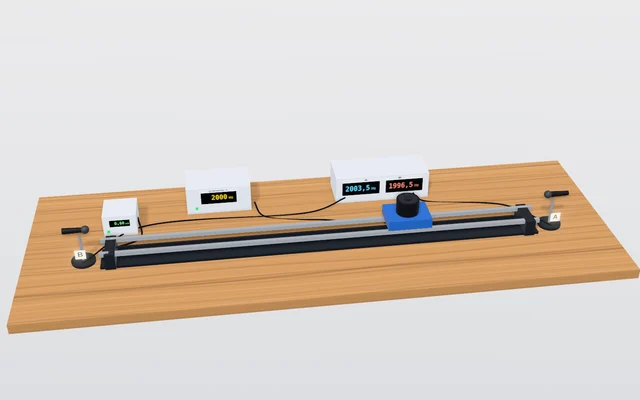 Try it in the labThe Doppler effect3D lab on this site →Share on Telegram
Sources: NASA JPL · Science News