Home › Nobel Prize laureates › 1996–2005
Nobel Prize in Physics, 1996–2005
The 6 Nobel Prize in Physics laureates of 1996–2005: each scientist's discovery, life story and the related 3D lab on this site.
2005
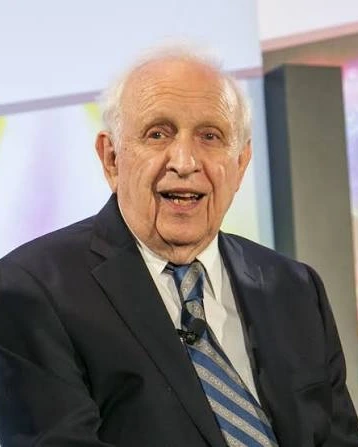
Roy J. Glauber
The theorist who described light in quantum terms and explained how a laser beam differs from ordinary lamplight; he is called the father of quantum optics.
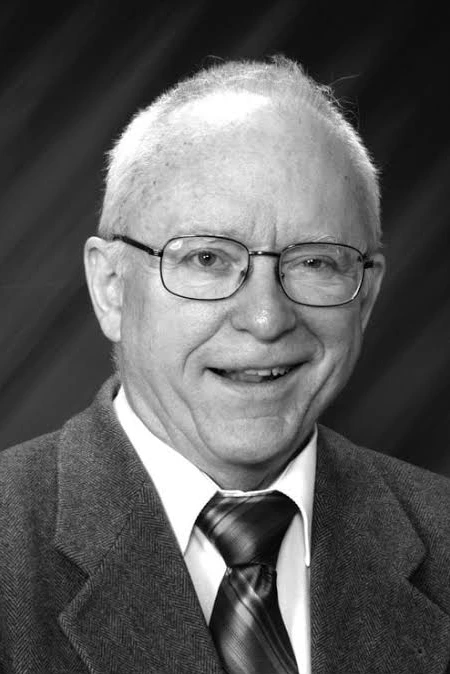
John L. Hall
He developed ways to make a laser's frequency ultra-stable and was one of the creators of the “optical comb”, which measures the frequency of light with record precision.
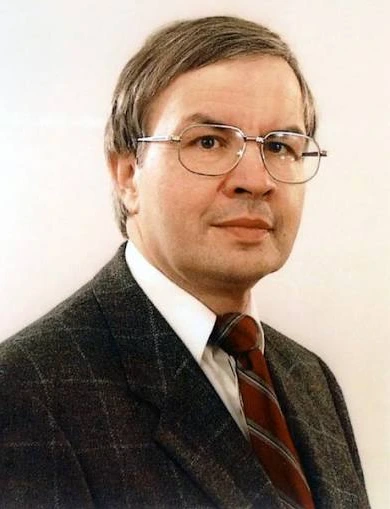
Theodor W. Hänsch
The German physicist who came up with the optical frequency comb and made it work, turning the measurement of light's frequency into routine lab work.
2004
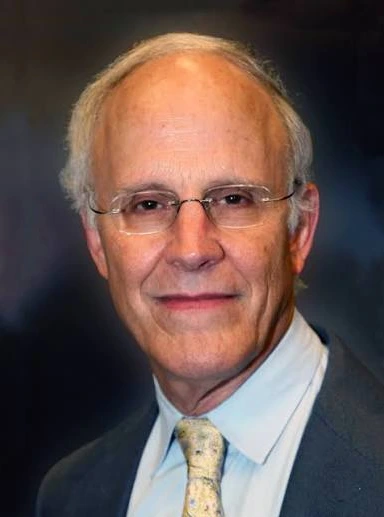
David J. Gross
The theorist who found that the closer quarks are to each other, the weaker the force between them, opening the way to the theory of the strong interaction.
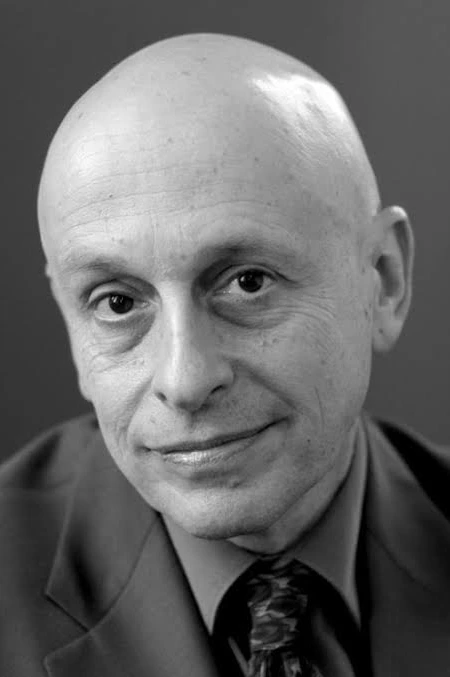
H. David Politzer
The physicist who discovered asymptotic freedom as a doctoral student, independently of Gross and Wilczek.
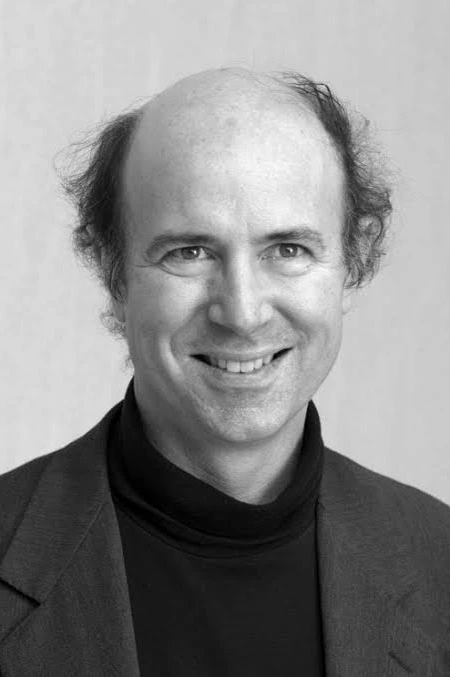
Frank Wilczek
The theorist who discovered asymptotic freedom as a 21-year-old doctoral student, later also known for axions, anyons and time crystals.