Home › Nobel Prize laureates › 2006–2015
Nobel Prize in Physics, 2006–2015
The 24 Nobel Prize in Physics laureates of 2006–2015: each scientist's discovery, life story and the related 3D lab on this site.
2015
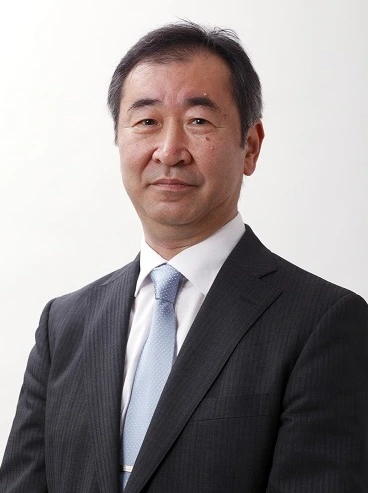
Takaaki Kajita
He discovered that neutrinos made in Earth's atmosphere change type along the way — proof that neutrinos have mass.
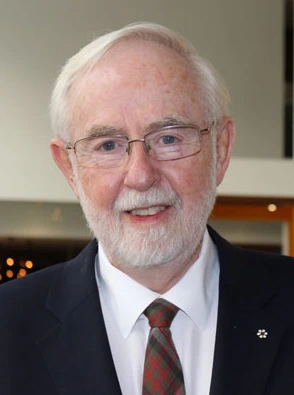
Arthur B. McDonald
Head of the SNO detector, which proved that neutrinos from the Sun change type on the way, solving the long-standing “solar neutrino puzzle”.
2014
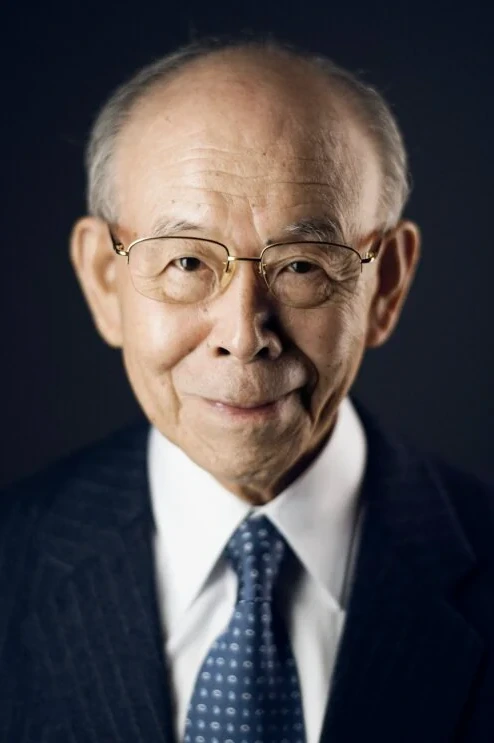
Isamu Akasaki
A creator of the blue LED, he kept working for decades on growing good gallium nitride crystals when most others had given up on the material.
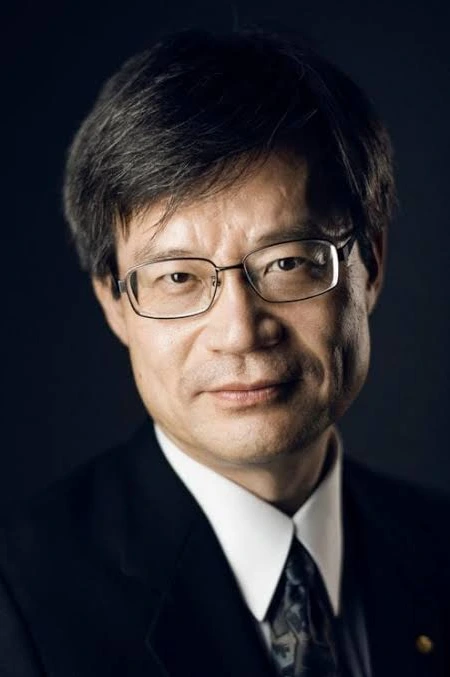
Hiroshi Amano
He grew the crystal that made the blue LED possible while still a doctoral student, producing the first good gallium nitride crystal with his mentor Isamu Akasaki.
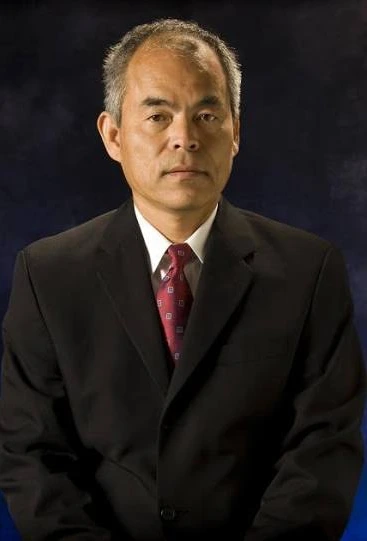
Shuji Nakamura
An engineer at a small chemical company who made a bright blue LED by his own method, opening the way to mass production of blue LEDs and lasers.
2013
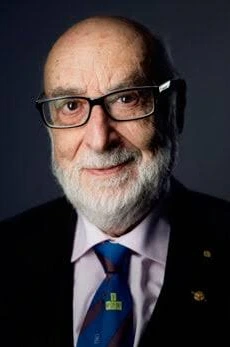
François Englert
The theorist who explained where particles get their mass, proposing with his colleague Robert Brout an invisible field that fills the whole universe.
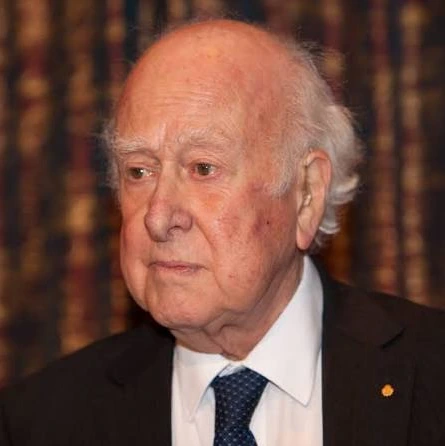
Peter Higgs
The scientist who predicted the particle that bears his name. The Higgs boson was found at CERN 48 years later, in 2012.
2012
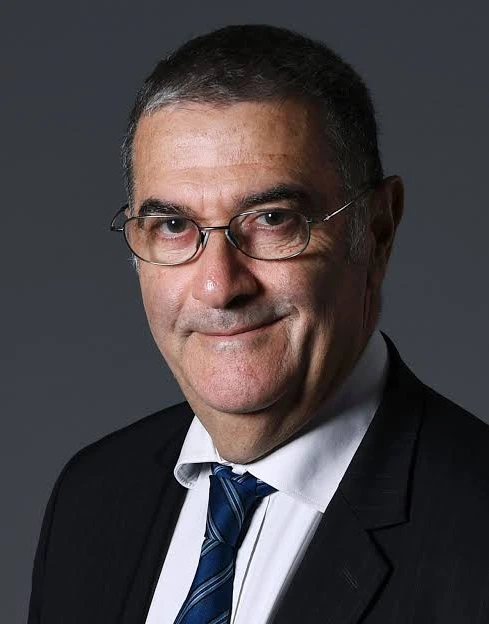
Serge Haroche
He learned to trap particles of light between mirrors and count them without destroying them, and was the first to watch a quantum state fade away step by step.
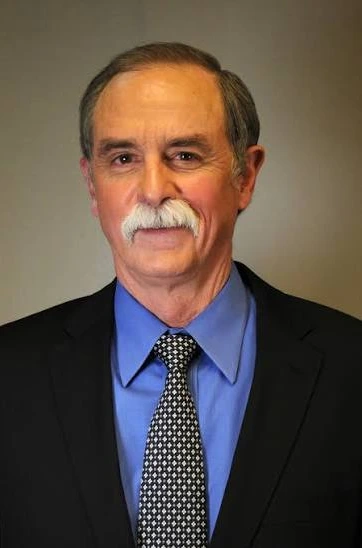
David J. Wineland
He learned to hold a single ion in an electric field and control it with lasers, laying the foundations for quantum computers and the world's most accurate clocks.
2011
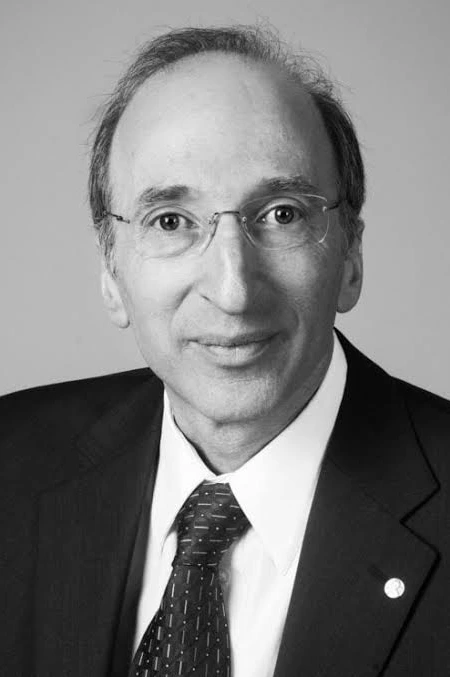
Saul Perlmutter
He led one of the teams that watched distant supernovae and found that the universe's expansion is not slowing down but speeding up.
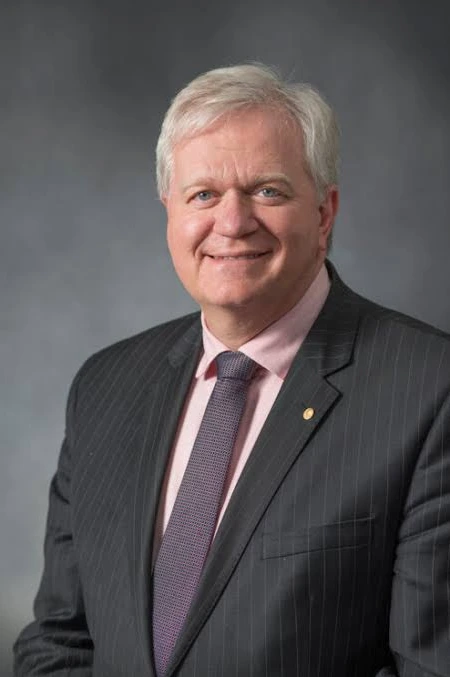
Brian P. Schmidt
Leader of the High-z team that found the accelerating expansion of the universe. Born in the USA, he has spent most of his scientific life in Australia.
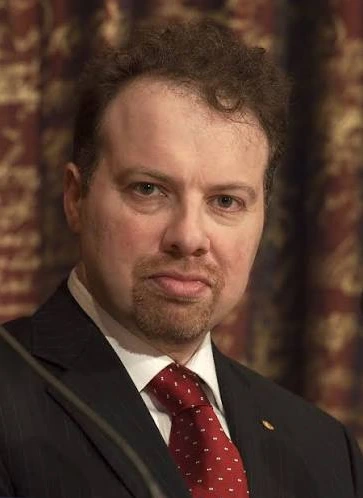
Adam G. Riess
The astronomer who first saw in the supernova data that the universe's expansion was accelerating, when he was just 28.
2010
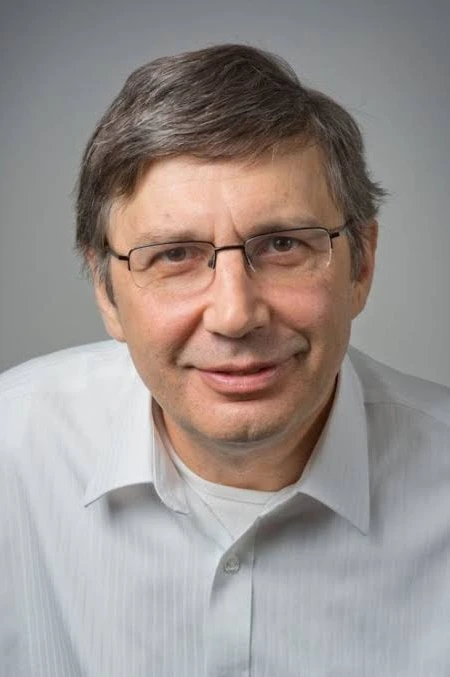
Andre Geim
The physicist who used ordinary sticky tape to peel a one-atom-thick layer of carbon, graphene, from graphite, and the only person to win both a Nobel and an Ig Nobel Prize.
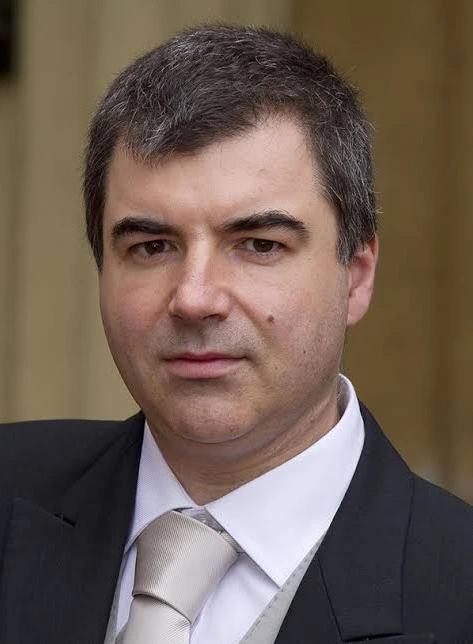
Konstantin Novoselov
He made graphene with his mentor Andre Geim and measured its unusual electrical properties, and was only 36 when he won the prize.
2009
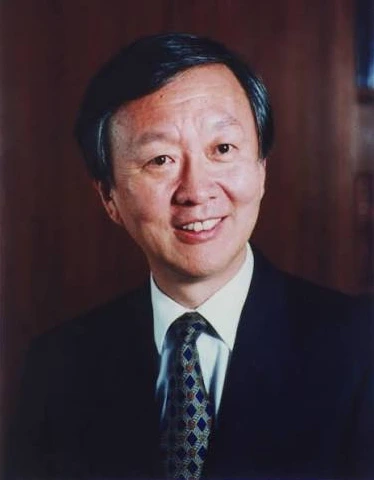
Charles K. Kao
The “father of fibre optics”, who showed by calculation that light could be sent through glass fibre over thousands of kilometres, laying the foundation of today's internet.
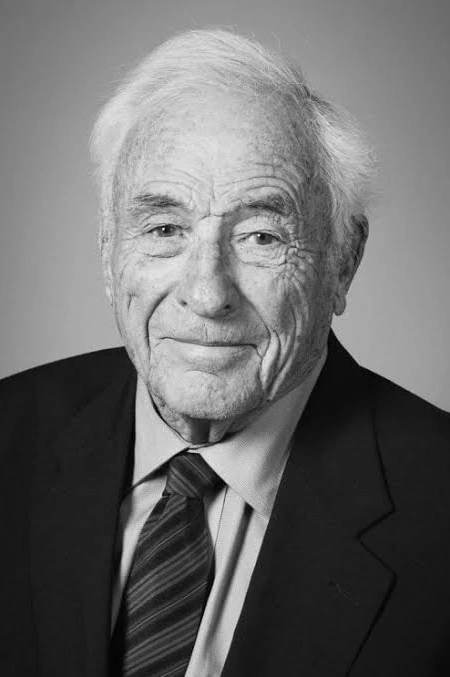
Willard S. Boyle
A co-inventor of the CCD sensor, the “eye” of digital cameras, which replaced photographic film with digital images.
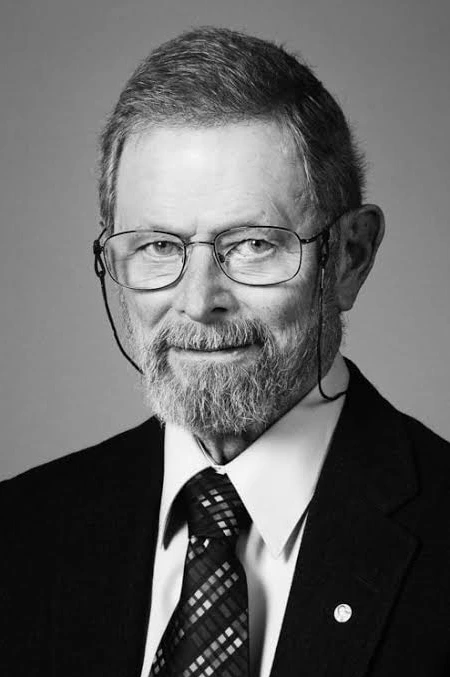
George E. Smith
The physicist who invented the CCD sensor with Willard Boyle; every digital photo today traces back to their idea.
2008
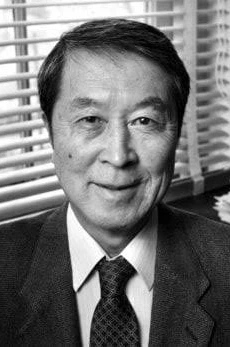
Yoichiro Nambu
The theorist who brought the idea of spontaneous symmetry breaking into particle physics; colleagues saw him as decades ahead of his time.
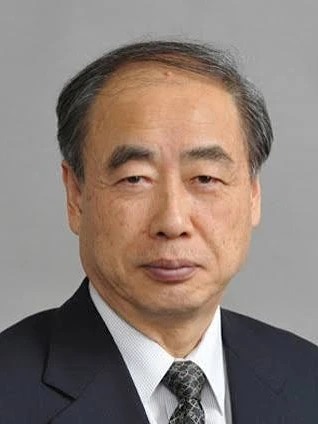
Makoto Kobayashi
The theorist who predicted at least six kinds of quark when only three were known, a prediction later fully confirmed.
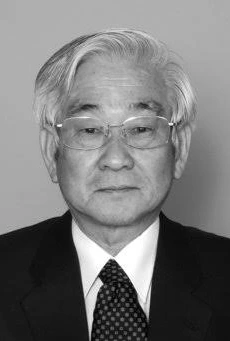
Toshihide Maskawa
The theorist who predicted six quarks with Makoto Kobayashi; he spent his whole life in Japan and first travelled abroad to receive the prize.
2007
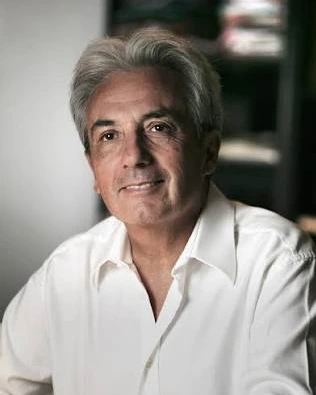
Albert Fert
He discovered that a magnetic field can change the electrical resistance of metals dramatically, a finding that multiplied the capacity of computer hard disks.
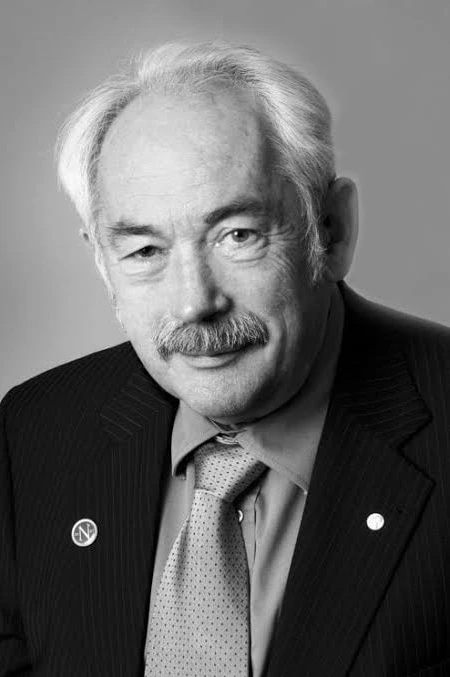
Peter Grünberg
The German physicist who discovered giant magnetoresistance independently of Albert Fert, and who saw its practical value at once and patented it.
2006
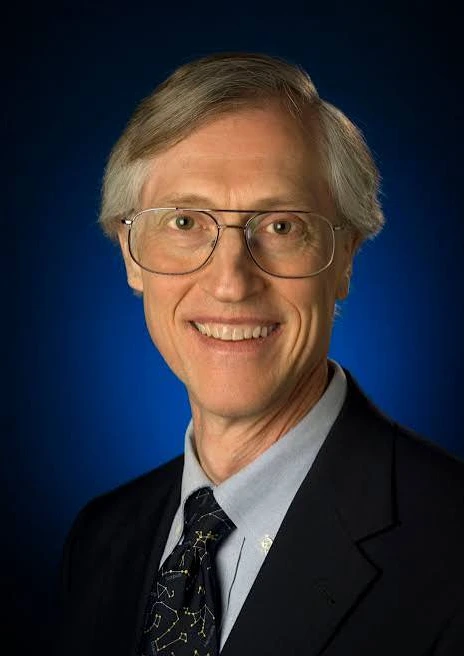
John C. Mather
He led the COBE satellite project that showed the Big Bang's leftover radiation is perfect blackbody radiation, and later became senior project scientist of the James Webb telescope.
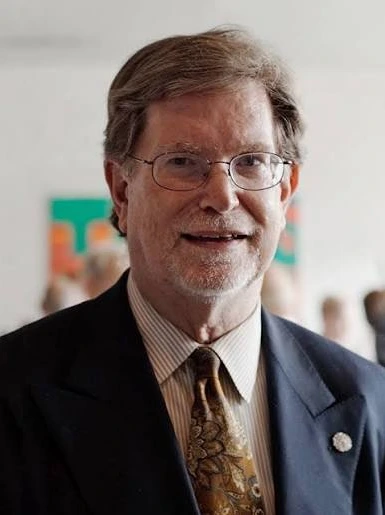
George F. Smoot
The astrophysicist who found the tiny temperature differences in the universe's “baby picture” from which galaxies later grew.